
Get Educated
Understanding Blood Cancer: An Overview
Understanding the basics is essential for anyone dealing with blood cancer, whether as a patient or a family member. Here are some insightful resources to help us educate about this condition.
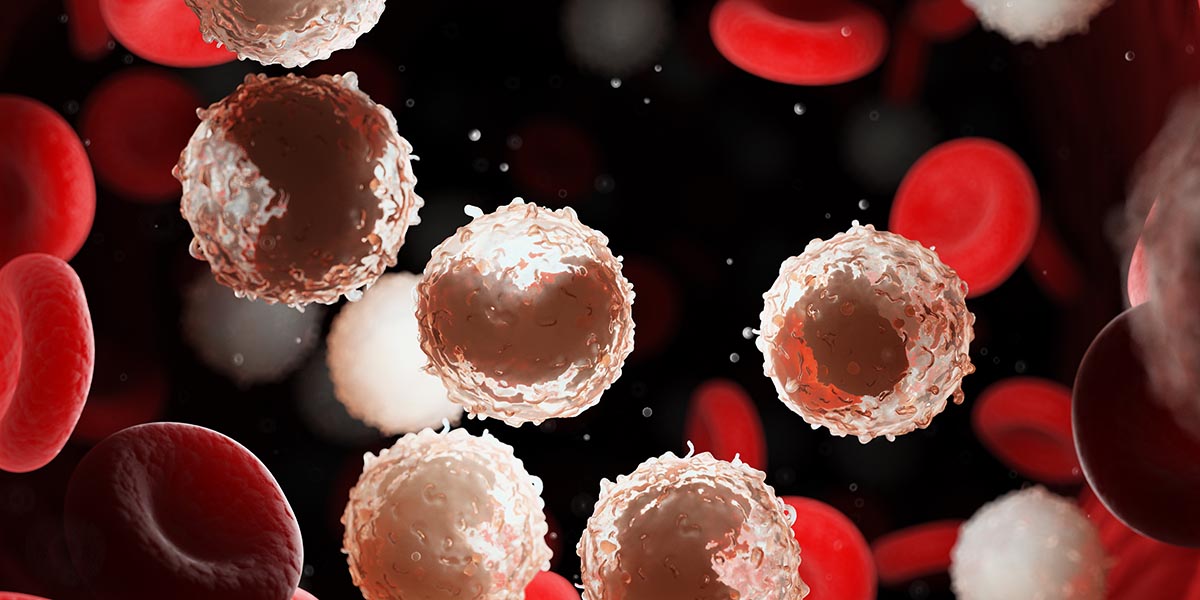
Our blood is essential to our body’s operation and makes up approximately 8% of your average body weight. All of your organs receive oxygen, nutrition, hormones, and antibodies from your blood as it flows through your vascular system. Red blood cells, white blood cells, and platelets make up approximately equal amounts of blood cells and plasma (the liquid that carries cells, waste, and nutrients among other things).
The most common cause of blood cancer is excessive and irregular white blood cell growth. About 8% of all cancers that are diagnosed in India each year are blood cancers.
While some blood cancers may show no symptoms at all and spread slowly over the years, others may exhibit symptoms including extreme exhaustion, weight loss, night sweats, or swelling of the lymph nodes.
Blood cancers can also be treated in a variety of ways, from typical cancer treatments such as immunotherapies, chemotherapies, and targeted medicines to active monitoring in the absence of cancer-directed therapy. Now that more than 100 distinct forms of blood cancers have been identified, receiving a precise diagnosis is crucial before choosing a course of treatment.
Blood is divided into four parts:
Plasma: The liquid component of blood called plasma carries nutrients, waste products, proteins, and other substances that influence how different body components work, such as controlling body temperature and fluid balance.
Red blood cells: The red blood cells that carry oxygen to the lungs and other tissues
White blood cells: The cells in the immune system that fight against illnesses.
Platelets: These cells create blood clots to stop blood loss.
A malfunction in the development and behavior of cells results in cancer. A healthy body constantly produces new white blood cells to replace aging or dead ones. Blood cancers are caused by the bone marrow producing an excessive amount of white blood cells.
Types of blood cancer :
How many kinds of blood cancer exist?
Blood cancer primarily occurs in three forms:
Leukemia: Cancer of white blood cells or cells destined to become white blood cells is known as leukemia. White blood cells with leukemia are unable to combat infections within your body. Leukemia can affect lymphocytes (lymphocytic leukemia) or other immune cells (myeloid leukemia), and it can be acute (developing quickly) or chronic (increasing more slowly). For youngsters under the age of 15, it is the most prevalent type of blood cancer.
Know more about Leukemia : https://www.cancer.gov/types/leukemia
Lymphoma: The immune system’s lymphatic system, which includes the lymph nodes, and tiny bean-shaped lymphatic structures that filter out hazardous chemicals, is affected by lymphoma, a type of cancer. It impacts lymphocytes, a subset of white blood cells. The most common type of lymphoma that physicians treat is known as Hodgkin’s lymphoma or Hodgkin’s disease. (The term non-Hodgkin lymphoma is used for all others.) With more than half of all cases of blood cancer that have been diagnosed being of this type, it is the most prevalent type in adults.
Know more about Lymphoma : https://www.cancer.gov/types/lymphoma
Myeloma: Cancer of the plasma cells, which are lymphocytes that produce antibodies to defend themselves against infections, is known as myeloma. Your body’s immune system is weakened by myeloma, making it more prone to infection. Know more about Myeloma
Who is at risk of developing blood cancer?
Although the exact causes of blood cancers are unknown, it is thought that a mix of environmental and genetic factors have a role in their development. There is a correlation between smoking, radiation exposure, exposure to specific chemicals, and a higher risk of some blood cancers. Human T-cell lymphoma/leukemia virus infections, HIV, and Epstein-Barr virus infections are additional risk factors for lymphomas and leukemias.
What signs and symptoms are present in blood cancer patients?
The following are typical symptoms of blood cancer, which can vary depending on the disease:
- Fever
- Shivers
- Fatigue
- Weakness
- Joint and bone aches
- Loss of weight
Anemia can arise in certain blood cancers, and enlargement of the liver, spleen, and lymph nodes is also frequently observed.
How is cancer in blood diagnosed?
Leukemia: To determine abnormal amounts of white blood cells in relation to red blood cells and platelets, your doctor will order a complete blood count (CBC) test.
Lymphoma: To study the tumor under a microscope, your doctor will need to perform a biopsy, which involves removing a small piece of tissue. To find enlarged lymph nodes, your doctor could occasionally also prescribe an X-ray, CT, or PET scan.
Myeloma: To identify chemicals or proteins created as a result of myeloma development, your doctor may order a complete blood count (CBC) as well as other blood or urine tests. A bone marrow biopsy, X-ray, MRI, PET, and CT scan may be performed in some circumstances to establish the existence and degree of myeloma spread.
What are the treatments for blood cancer?
Several things will affect the course of treatment. These include the type of blood cancer you have, your age, the rate at which the cancer is spreading, and whether or not other regions of your body have been affected.
Many forms of blood cancer are now quite curable due to significant advancements in treatment over the past few decades. Typical therapies consist of the following:
Chemotherapy: To kill and stop the formation of cancer cells, anticancer medications are injected into the vein or sometimes taken as a pill.
High-energy radiation is used in radiation therapy, a type of cancer treatment, to destroy cancer cells.
Targeted therapies: These cancer treatments use medications that directly destroy cancerous blood cells while sparing healthy cells. The most typical kind of treatment for leukemia is targeted therapy.
Stem cell transplantation: After treatment to eradicate cancerous blood cells, your body may be infused with healthy stem cells to assist in the restoration of normal blood production.
Cancer Surgery: For certain lymphomas, this treatment entails removing the afflicted lymph nodes.
Immunotherapy: To precisely destroy cancer cells, this treatment stimulates the immune system.

Lorem ipsum dolor sit amet
Lorem ipsum dolor sit amet, consectetur adipiscing elit, sed do eiusmod tempor incididunt ut labore et dolore magna aliqua. Ut enim ad minim veniam, quis nostrud exercitation ullamco laboris nisi ut aliquip ex ea commodo consequat. Duis aute irure dolor in reprehenderit in voluptate velit esse cillum dolore eu Lorem ipsum dolor sit amet, consectetur adipiscing elit, sed do eiusmod tempor incididunt ut labore et dolore magna aliqua. Ut enim ad minim veniam, quis nostrud Lorem ipsum dolor sit amet, consectetur adipiscing elit, sed do eiusmod tempor incididunt ut labore et dolore magna aliqua. Ut enim ad minim veniam, quis nostrud exercitation ullamco laboris nisi ut aliquip ex ea commodo consequat. Duis aute irure dolor in reprehenderit in voluptate velit esse cillum dolore eu Lorem ipsum dolor sit amet, consectetur adipiscing elit, sed do eiusmod tempor incididunt ut labore et dolore magna aliqua. Ut enim ad minim veniam, quis nostrud

Lorem ipsum dolor sit amet
Lorem ipsum dolor sit amet, consectetur adipiscing elit, sed do eiusmod tempor incididunt ut labore et dolore magna aliqua. Ut enim ad minim veniam, quis nostrud exercitation ullamco laboris nisi ut aliquip ex ea commodo consequat. Duis aute irure dolor in reprehenderit in voluptate velit esse cillum dolore eu Lorem ipsum dolor sit amet, consectetur adipiscing elit, sed do eiusmod tempor incididunt ut labore et dolore magna aliqua. Ut enim ad minim veniam, quis nostrud Lorem ipsum dolor sit amet, consectetur adipiscing elit, sed do eiusmod tempor incididunt ut labore et dolore magna aliqua. Ut enim ad minim veniam, quis nostrud exercitation ullamco laboris nisi ut aliquip ex ea commodo consequat. Duis aute irure dolor in reprehenderit in voluptate velit esse cillum dolore eu Lorem ipsum dolor sit amet, consectetur adipiscing elit, sed do eiusmod tempor incididunt ut labore et dolore magna aliqua. Ut enim ad minim veniam, quis nostrud
Share & Inspire
(You have all the right to be anonymous)
Your story can make a difference!